

Introduction
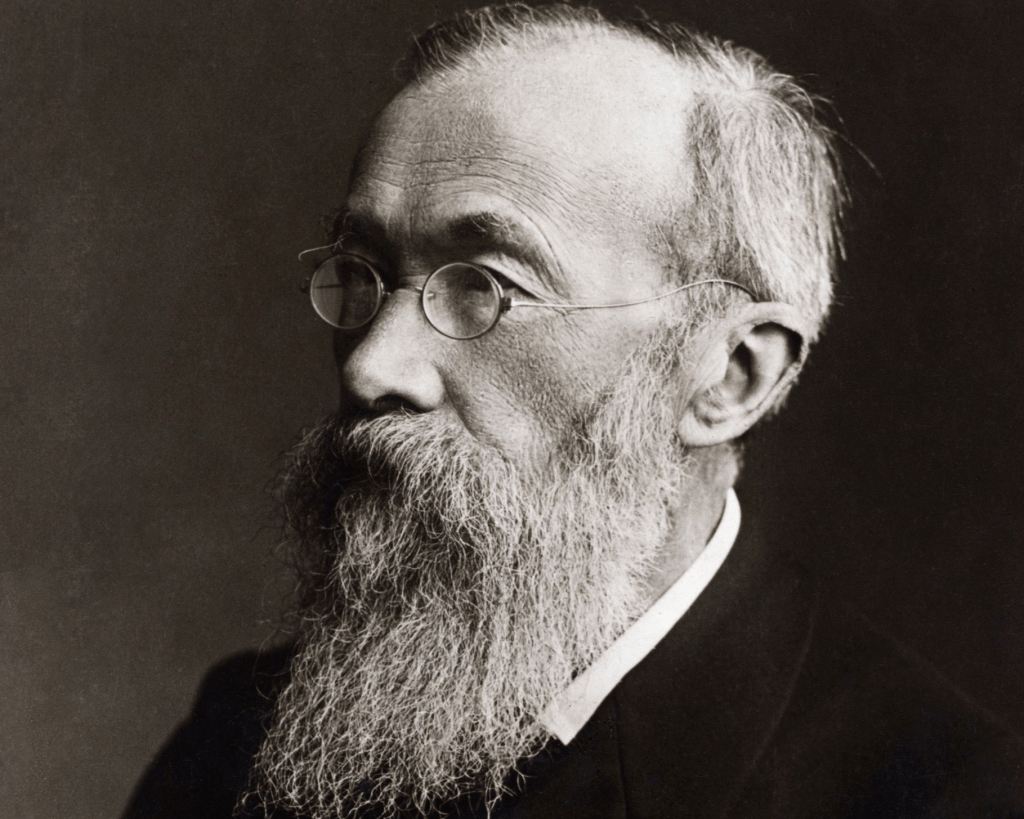
Introspection is a psychological process originally devised by Wilhelm Wundt [1] that describes the process of an individual examining their own mind, thus achievable by observing their emotions and thoughts. Using this theory has allowed me to reflect and evaluate my strengths and weaknesses as a creative [2] therefore allowing for a deeper understanding of what skills I possess and lack in terms of making a good producer.
The role of the producer
A producer, in terms of media, is primarily responsible for the organisation and administration of media content. It is their job to make key decisions within the project and delegate tasks to their team. An effective producer will be aware of the trends and conventions specific to their target demographic as well as being consciously aware of the conventions of other types of media, thus guiding their team in their projects to adhere to the conventions of their medium where appropriate.[3]
Furthermore, the producer will influence the content of the product that they create. Blumer (1969) found that the contents of producer’s content are influenced not only by demographic trends and policies set by companies but also by their own values and beliefs [4]. This is further extended to the producer’s perception of the intended audience; from this, concepts such as stereotypes come into play and are often then utilized as the backbone of specific messages that are divulged to the audience, with the possible intention of reflecting on wider society as a collective. Blumer’s theory on Symbolic Interactionism and later research [5] further develop these ideas with the basis of the theory being that specific things act as culturally relevant symbols, thus portraying messages to the audiences. Once again, these are often used by producers to communicate their ideas and meanings.
However, another aspect of the role of the producer can be focused on developing ideas. It is widely known in the stages of planning and pre-production that an idea is often reflected upon and developed to achieve the best possible result. The producer can fit into this through the contribution and integration of ideas within the team. This aspect of their role can be linked back to the assurance that their product will fit the requirements of a given brief.
My creative abilities
The term ‘creative’ in the context of media was devised to label those who create content whether it be audio-visual or of another medium. Interestingly there are different types of creatives and what type of creative you can be determined by a test by Adobe Create.
Regarding my creative journey, a creativity test has allowed me to determine how creative my mind is naturally, without training and what parts of creativity I am best at. The results of this test can be seen in the image below.
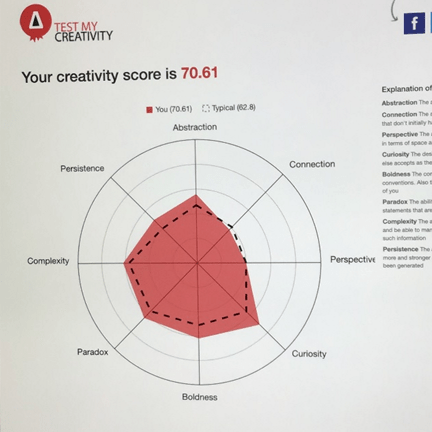
As the image depicts, my strengths lie in curiosity and boldness. Using introspection, I have been able to become more conscious of my curiosity for the unknown and the undiscovered. The deep-set obsession with finding answers to unanswerable questions and exploring both our world and fictional ones.
How does this relate to the role of the producer?
Upon collating all this information, I have been able to establish the relationship between my skills creative and then transfer those to the role of the producer. A producer must take bold risks and explore ideas whilst integrating a relatable connection to the audience. Would it be too bold to go as far as to say that the more creative an individual is the better their producer skills will be? I think not. Though the role of the producer is often set around logistics, they must possess a creative mind to execute successful products.
References
[1] McLeod, S. A. (2008). Wilhelm Wundt. Simply Psychology. www.simplypsychology.org/wundt.html
[2] https://media.med.wisc.edu/2021/01/28/we-are-the-creative-types/
[3] Blumer, H. (1969). Herbert Blumer. University of California Press, Berkeley Los Angeles, London https://edisciplinas.usp.br/pluginfile.php/2747599/mod_folder/content/0/COMPLEMENTAR%20-%201969%20-%20Blumer%20-%20Symbolic%20Interactionism.pdf
[4] https://www.ojp.gov/pdffiles1/Digitization/148976NCJRS.pdf
 Bethany Harrison
Leave a comment